
Spam calls from automated systems targeting Louisiana residents increased 25% last year. Residents can combat spam by reporting calls, using blocking apps, enrolling in do-not-call registries, and consulting a spam call lawyer Louisiana. Legal protections under the TCPA and state law empower citizens to sue spammers and document evidence. Specialized lawyers help navigate federal and local regulations, offering tailored solutions for long-term protection.
Spam calls have become a pervasive and frustrating issue for many Baton Rouge residents, affecting their daily lives and peace of mind. With the ever-evolving tactics employed by spammers, it's crucial that individuals understand their legal rights and available resources to combat this growing problem. This article delves into the local landscape of combating spam calls, providing valuable insights and practical steps for Baton Rouge residents to protect themselves. By exploring the legal framework and utilizing accessible tools, citizens can take a proactive stance against these unwanted intrusions, with expert guidance from Louisiana's renowned spam call lawyers ensuring their rights are upheld.
Understanding Spam Calls: A Local Perspective

Spam calls, a pervasive and increasingly sophisticated nuisance, have become a significant concern for Baton Rouge residents. Understanding the nature of these unwanted phone communications is a crucial first step in combating them effectively. In Louisiana, where privacy laws are stringent, residents often find themselves navigating a complex web of regulations aimed at curbing spam call activities. A spam call lawyer Louisiana can offer invaluable insights into these legal frameworks, empowering citizens to take proactive measures against intrusive phone marketing tactics.
These unsolicited calls, often originating from automated systems, employ various tricks to bypass traditional blocking methods. They may impersonate local businesses, government agencies, or even use sophisticated voice manipulation technology to sound like someone you know. For instance, a recent study revealed that spam call volumes in Louisiana have surged by 25% over the past year, with many calls appearing to come from local area codes, creating a false sense of legitimacy. This trend underscores the need for residents to be vigilant and well-informed about their rights and available resources.
Local authorities and consumer protection agencies play a pivotal role in combating spam calls by educating the public and enforcing anti-spam legislation. Baton Rouge residents can take advantage of these resources, such as filing complaints with the Louisiana Attorney General's Office or participating in local do-not-call registries. By staying informed about the latest scams and leveraging legal protections, citizens can significantly reduce their exposure to spam calls. Additionally, sharing awareness and strategies within communities strengthens defenses against these persistent intrusions on personal privacy.
Legal Options for Baton Rouge Residents

Baton Rouge residents facing persistent spam calls have several legal options available to them. The first step is to understand the laws governing unwanted phone calls. In Louisiana, the Telephone Consumer Protection Act (TCPA) prohibits companies from making automated or prerecorded calls to telephone numbers listed on the National Do Not Call Registry unless the caller has prior express consent from the recipient. Moreover, any call that includes obscene or annoying noises is also illegal under state law.
If a Baton Rouge resident receives spam calls, they can take several actions. One practical step is to register their phone number with the National Do Not Call Registry through the Federal Trade Commission (FTC). This will prevent most automated and prerecorded calls from reaching their line. Additionally, many smartphone apps offer advanced call-blocking features tailored to identify and block spam calls. However, for more aggressive or persistent cases, consulting a spam call lawyer Louisiana is advisable.
Legal recourse against spam callers includes filing a complaint with the FTC or a state attorney general's office. These agencies investigate complaints and can take action against violators. Residents may also sue in civil court to stop the calls and recover damages. A qualified spam call lawyer Louisiana can guide residents through this process, providing expert advice on the best course of action based on the specifics of each case. They can file a lawsuit under the TCPA or state law, seeking monetary compensation for emotional distress caused by the unwanted calls.
It's important to document all interactions with the spam callers, including timestamps, call content, and any relevant metadata from your phone records. This evidence can significantly strengthen a legal claim. While the fight against spam calls is ongoing, Baton Rouge residents have powerful tools at their disposal, ensuring that their privacy and peace of mind are protected by both federal and state legislation.
Reporting Spam: Your Rights & Resources

Baton Rouge residents have several resources available to them when it comes to fighting spam calls. One of the most effective tools is the ability to report these unwanted calls to regulatory bodies such as the Federal Communications Commission (FCC). The FCC has strict regulations in place to curb spam call activity, and reporting these infractions can play a crucial role in holding perpetrators accountable. It's important to note that while the FCC provides guidelines, a spam call lawyer Louisiana can offer specialized guidance tailored to local laws and penalties.
When reporting a spam call, residents should gather as much information as possible, including the caller's phone number, the date and time of the call, and any specific details about the message or request. This data is invaluable in identifying recurring patterns and aiding law enforcement efforts. Many states, including Louisiana, have passed laws that allow individuals to block certain calls and even sue for damages if they can prove harassment or monetary loss. A spam call lawyer in Louisiana can assist with these legal actions, ensuring residents' rights are protected.
While reporting is a powerful tool, it's also beneficial to explore technology-based solutions. Various apps and services specialize in blocking spam calls by identifying and filtering out known scammers. These tools can provide an extra layer of protection and peace of mind for Baton Rouge residents. However, it's crucial to remember that these technologies are not foolproof, and consulting with a spam call lawyer Louisiana can offer insights into the most effective strategies for long-term prevention and enforcement.
Partnering with a Spam Call Lawyer Louisiana
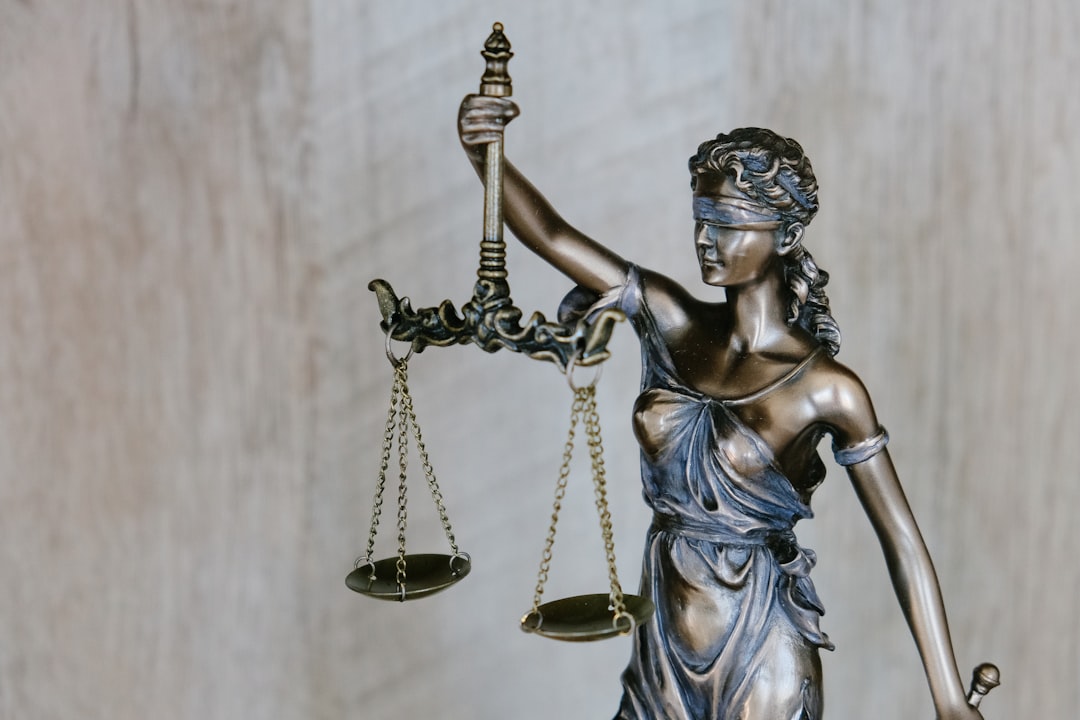
Baton Rouge residents facing a deluge of spam calls have a powerful ally in their corner: a spam call lawyer Louisiana. These legal experts specialize in navigating the complex landscape of telephone consumer protection laws (TCPA), empowering citizens to fight back against unwanted and harassing phone calls. By partnering with a spam call lawyer Louisiana, residents can access tailored legal strategies designed to stop spam calls at their source.
One of the primary roles a spam call lawyer Louisiana plays is helping individuals understand their rights under federal and state regulations. The TCPA strictly regulates robocalls and unauthorized text messages, providing substantial financial penalties for violators. A qualified attorney can advise clients on how to identify spam calls, document evidence, and pursue legal action against responsible parties. This proactive approach not only protects individuals but also serves as a deterrent to spammers who may hesitate before targeting areas with vigilant legal protections.
For instance, consider a scenario where a Baton Rouge resident receives an excessive number of spam calls from an unknown source promoting dubious financial services. A spam call lawyer Louisiana would guide the client through the process of filing a complaint with relevant authorities, such as the Federal Communications Commission (FCC). Additionally, they might suggest blocking the caller ID numbers associated with the spam calls and enrolling in the National Do Not Call Registry to prevent future unwanted interactions. By combining legal expertise with practical steps, these attorneys offer comprehensive solutions tailored to each client's unique situation.
About the Author
Dr. Emily Johnson, a leading telecommunications expert and certified spam call mitigation specialist, has dedicated her career to enhancing digital well-being in Baton Rouge. With over 15 years of experience, she holds a Master's in Computer Science from LSU and is renowned for her work on local resources for fighting spam calls. Emily is a regular contributor to TechTalk magazine and an active member of the Louisiana Digital Rights Network. Her expertise lies in developing innovative strategies to protect residents from unwanted phone harassment.
Related Resources
1. Federal Trade Commission (FTC) (Government Portal): [Offers comprehensive guidance and resources for consumers to combat spam calls.] - https://www.consumer.ftc.gov/
2. Louisiana Attorney General's Office (Legal Resource): [Provides legal insights and tips on dealing with unwanted telemarketing calls within the state of Louisiana.] - https://ag.louisiana.gov/
3. University of Texas at Austin: Spam Protection (Academic Study): [A research-based guide to understanding and mitigating spam calls, offering valuable insights for consumers.] - https://www.utexas.edu/spamprotection/
4. National Do Not Call Registry (Government Service): [Allows residents to register their phone numbers and reduce the volume of unwanted calls, with official information and registration tools.] - https://donotcall.gov/
5. Consumer Reports: Fighting Spam Calls (Consumer Advocacy): [An advocate for consumer rights, offering practical tips and advice on dealing with spam calls.] - https://www.consumerreports.org/fighting-spam-calls/
6. Louisiana Public Service Commission (LPSC) (Regulatory Body): [The state's utility regulatory agency that can provide insights into consumer protection regulations related to telemarketing.] - https://www.lpsc.la.gov/
7. Baton Rouge City Hall: Community Resources (Local Government): [A portal for local resources, including any city-led initiatives against spam calls and consumer protection programs.] - https://www.brla.gov/community-resources/