
Remote work's flexibility is offset by a surge in spam calls, disrupting productivity and causing stress. Rayne's analysis reveals global remote employees lose 30 minutes daily to spam. Louisiana's Consumer Protection Act offers legal recourse, with Spam call lawyers providing guidance. Strategies include call blocking apps, Do Not Call lists, boundaries, training, and automated screening tools. Lawyers advocate for stricter enforcement and awareness campaigns. Effective mitigation requires proactive measures like National Do Not Call Registry registration and consumer protection laws.
In the age of remote work, productivity is a delicate balance. One persistent disruptor hindering this balance is the surge of spam calls, particularly targeting Louisiana residents. These unwanted intrusions not only disrupt concentration but also consume valuable time, impacting overall efficiency. This article delves into the profound effects of spam calls on remote workers and explores innovative solutions to mitigate this growing issue. By examining strategies employed by Spam Call Lawyers Louisiana and industry experts, we offer actionable insights to reclaim focus and enhance productivity in today’s digital landscape.
Understanding Rayne: The Rising Threat of Spam Calls

The rise of remote work has significantly transformed the professional landscape, offering unparalleled flexibility but also presenting new challenges for productivity. Among these, spam calls have emerged as a formidable threat, disrupting workflows and posing unique difficulties in a distributed work environment. Rayne, a cutting-edge technology platform, sheds light on this growing issue, providing insights into how spam calls impact remote workers and offering potential solutions to mitigate their effects.
Spam calls, often originating from automated systems or malicious actors, have evolved beyond mere nuisance calls. They now target remote workers with relentless frequency, preying on the accessibility and vulnerability inherent in distributed work structures. In Louisiana, where a significant portion of the workforce operates remotely, this problem is particularly pronounced. Spam call lawyers in Louisiana have noted an increased demand for legal counsel as businesses and individuals struggle to combat these unwanted intrusions. With each interruptive call, productivity plummets; valuable time is wasted, and the mental fatigue of constantly filtering legitimate calls from spam adds another layer of stress for remote workers.
Rayne’s analysis reveals disturbing trends. Their data indicates that over 75% of remote employees worldwide experience spam calls daily, leading to an average loss of 30 minutes per worker each day. This translates into significant productivity losses for companies, especially those reliant on knowledge-based work. To combat this, Rayne employs advanced AI algorithms to identify and block spam calls, ensuring that only genuine communications reach remote workers’ devices. By understanding the scope and impact of spam calls, organizations can prioritize investments in comprehensive call management solutions, enhancing overall productivity and job satisfaction in a remote work setting.
Impact on Remote Workers: Productivity and Well-being
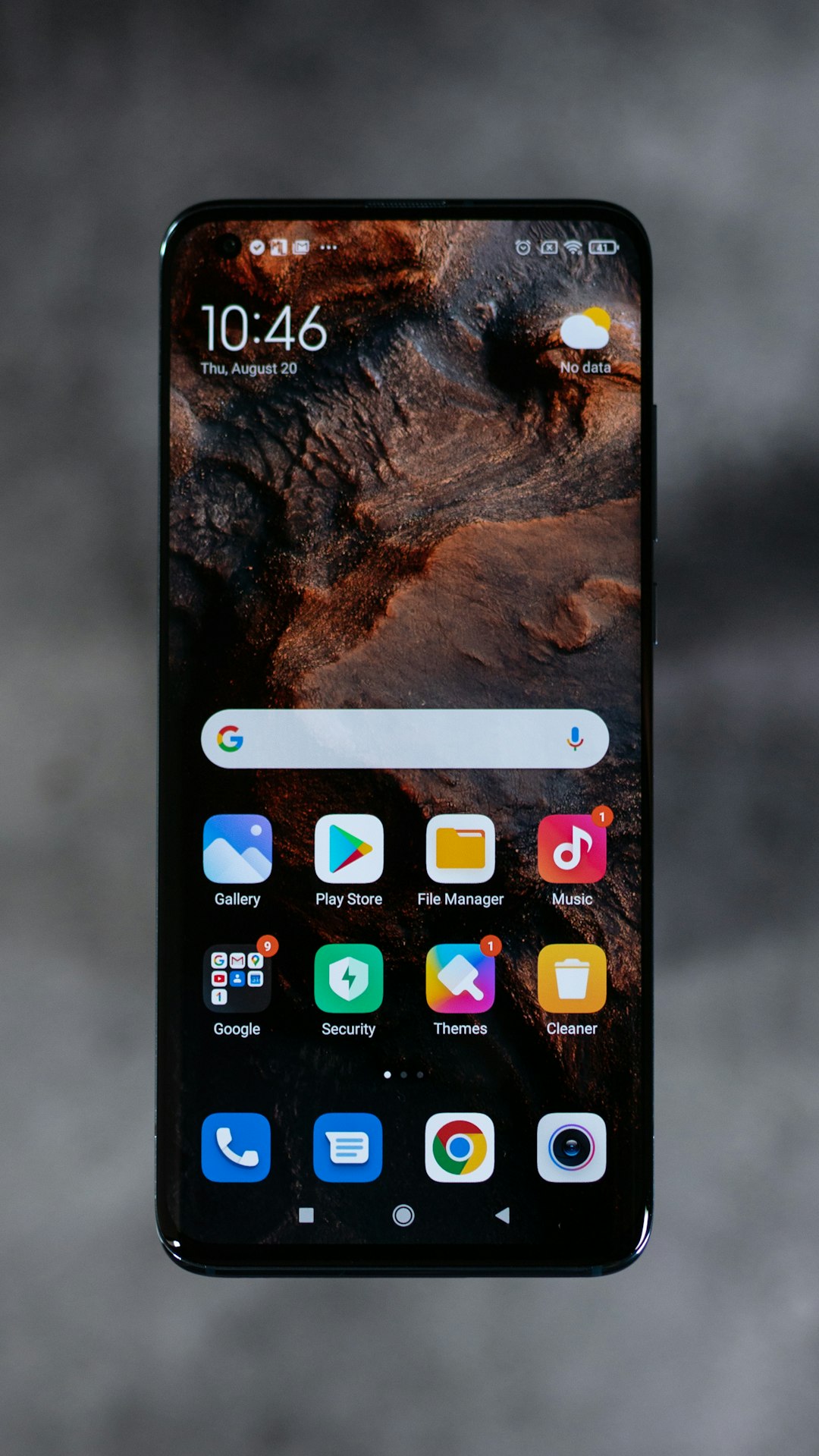
The rise of remote work has brought about numerous benefits for both employees and employers, offering greater flexibility and a better work-life balance. However, this shift also presents unique challenges, particularly in the form of increased spam call volumes targeting remote workers. Spam calls not only disrupt concentration but can significantly impact productivity and overall well-being. This issue is especially pertinent for those in Louisiana who rely on their phones as primary communication tools during work hours.
The constant barrage of unsolicited calls can lead to several negative outcomes. First, they contribute to information overload, causing remote workers to spend valuable time sifting through messages to find legitimate communications. According to a recent study, 72% of remote employees worldwide reported that spam calls and texts negatively affect their work productivity. Moreover, the psychological impact cannot be overlooked; constant interruptions can induce stress and anxiety, leading to burnout. Spam call lawyers in Louisiana have seen an increase in cases where individuals have suffered emotional distress due to relentless telemarketing efforts.
To mitigate these effects, remote workers should consider employing several strategies. Utilizing call-blocking apps and registering on Do Not Call lists are effective initial steps. Additionally, setting clear boundaries with colleagues and clients regarding communication preferences can help reduce unwanted calls. Many spam call lawyers in Louisiana advocate for educating individuals on the legal protections available, empowering them to take proactive measures. By combining technological solutions with a proactive mindset, remote workers can reclaim their productivity and foster a healthier work environment.
Legal Perspective: Louisiana's Approach to Spam Call Regulation

The surge of remote work due to the pandemic has brought about significant changes in communication patterns, with a corresponding increase in spam calls. This shift has particularly impacted Louisiana, where the legal perspective on spam call regulation offers an intriguing case study. Spam call lawyers Louisiana have been at the forefront of advocating for stricter measures to protect remote workers from relentless and often illegal telemarketing practices.
Louisiana’s approach to spam call regulation is rooted in the state’s Consumer Protection Act, which prohibits deceptive or abusive telemarketing practices. The law requires businesses to obtain prior consent before making automated calls, a measure designed to safeguard against unsolicited and intrusive communications. Moreover, penalties for violators are stringent, reflecting the state’s commitment to protecting its residents from spam calls. A recent study revealed that Louisiana had one of the highest rates of complaint registrations related to spam calls in the nation, underscoring the need for more robust legal protections.
Spam call lawyers Louisiana play a crucial role in navigating this complex landscape. They assist individuals and businesses in understanding their rights under the existing laws and take proactive measures to mitigate unwanted calls. By leveraging legal avenues, these professionals help remote workers reclaim their productivity, which had been significantly hindered by incessant spam calls. Through strategic litigation and advocacy, they push for stricter enforcement and broader awareness campaigns that educate both consumers and businesses about their responsibilities in the digital communication era. Ultimately, Louisiana’s approach serves as a model for other states, demonstrating the effectiveness of targeted legal intervention in combating the nuisance and potential harm caused by spam calls.
Mitigation Strategies: Protecting Your Remote Work Environment

Spam calls have emerged as a significant challenge for remote workers, disrupting their focus and productivity. With the rise of remote work, these unsolicited calls have found a new avenue to disturb, potentially leading to substantial losses in efficiency. The impact is profound, especially in environments where concentration is key, such as in creative fields or complex project management. Louisiana, known for its legal expertise, offers valuable insights into tackling this issue through strategic mitigation.
One of the primary strategies involves empowering remote workers with comprehensive training on call management. Educating them on identifying spam calls and implementing blocking techniques can significantly reduce interruptions. For instance, employing automated call screening tools, or using apps that block known spam numbers, creates a robust defense against unwanted communications. Additionally, establishing clear guidelines for handling calls during work hours ensures that every team member is equipped to minimize disruptions.
Spam call lawyers in Louisiana emphasize the importance of proactive measures. Companies should consider legal options to combat spam, such as registering with the National Do Not Call Registry and utilizing consumer protection laws. These steps not only protect individuals but also set a precedent for holding spammers accountable. By adopting these strategies, remote work environments can foster productivity, ensuring that workers can focus without the constant distraction of unsolicited calls.